What is Surface Pattern Design (and How to Start in 2026)
What is Surface Pattern Design (and How to Start in 2026)
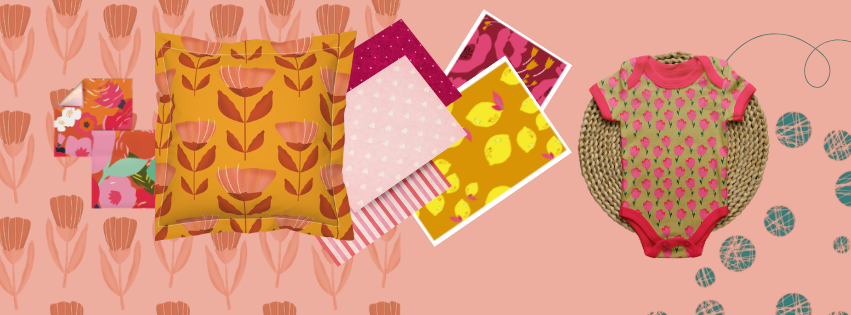
Surface pattern design is everywhere.
From the clothes we wear to the wallpaper in our homes, the packaging of our favorite products, and even the notebooks we write in — patterns shape how we experience the world visually.
But behind every beautiful repeat design is a creative process that blends art, storytelling, and technical skill.
For as long as I can remember, surface pattern design has fascinated me — long before I even knew it had a name or understood what it truly was.
As a child, I loved observing different prints, repeating elements, textures, and color combinations. I could spend hours looking at fabrics, packaging, wallpapers, tiny details on objects, and imagining my own versions of them.
Later, I began drawing my own patterns and dreaming about seeing them one day on real products.
Slowly, the dream became a direction.
Then a goal.
And today — a real part of my life and creative work.
I still remember the years when design programs were far less advanced than they are today. Many things had to be calculated, aligned, and repeated manually, often with patience and endless adjustments.
Today, technology makes the technical side much easier.
But no matter how advanced the tools become, good pattern design still depends on understanding rhythm, balance, composition, spacing, and the timeless “golden rules” of design — even when we intentionally choose to break them creatively.
In this article, I’ll walk you through what surface pattern design really is, where it’s used, and how you can start — even if you’re a complete beginner.
____
What is Surface Pattern Design?
Surface pattern design is the art of creating repeating or non-repeating visual designs that can be applied to surfaces.
These surfaces can include:
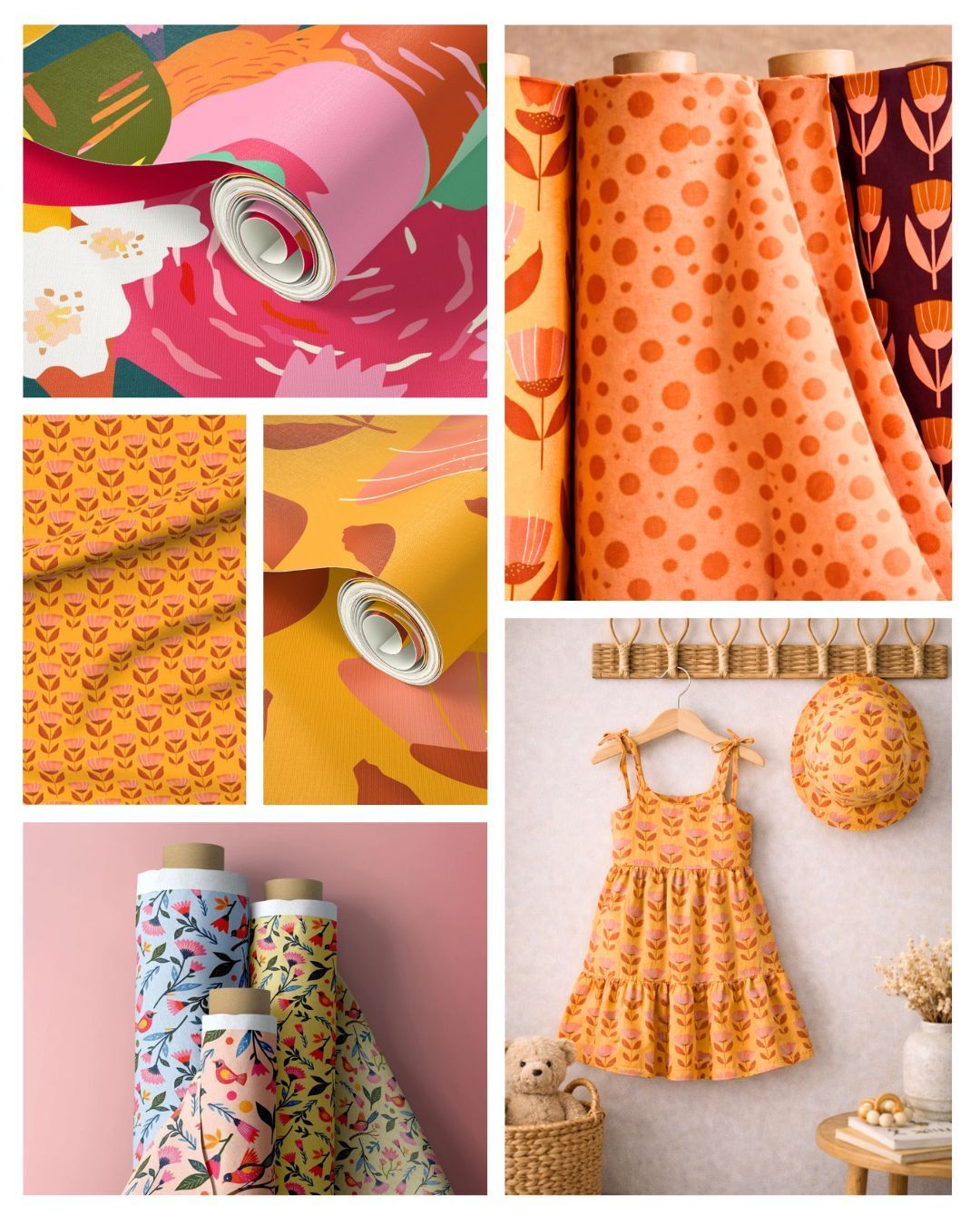
- textiles and fashion
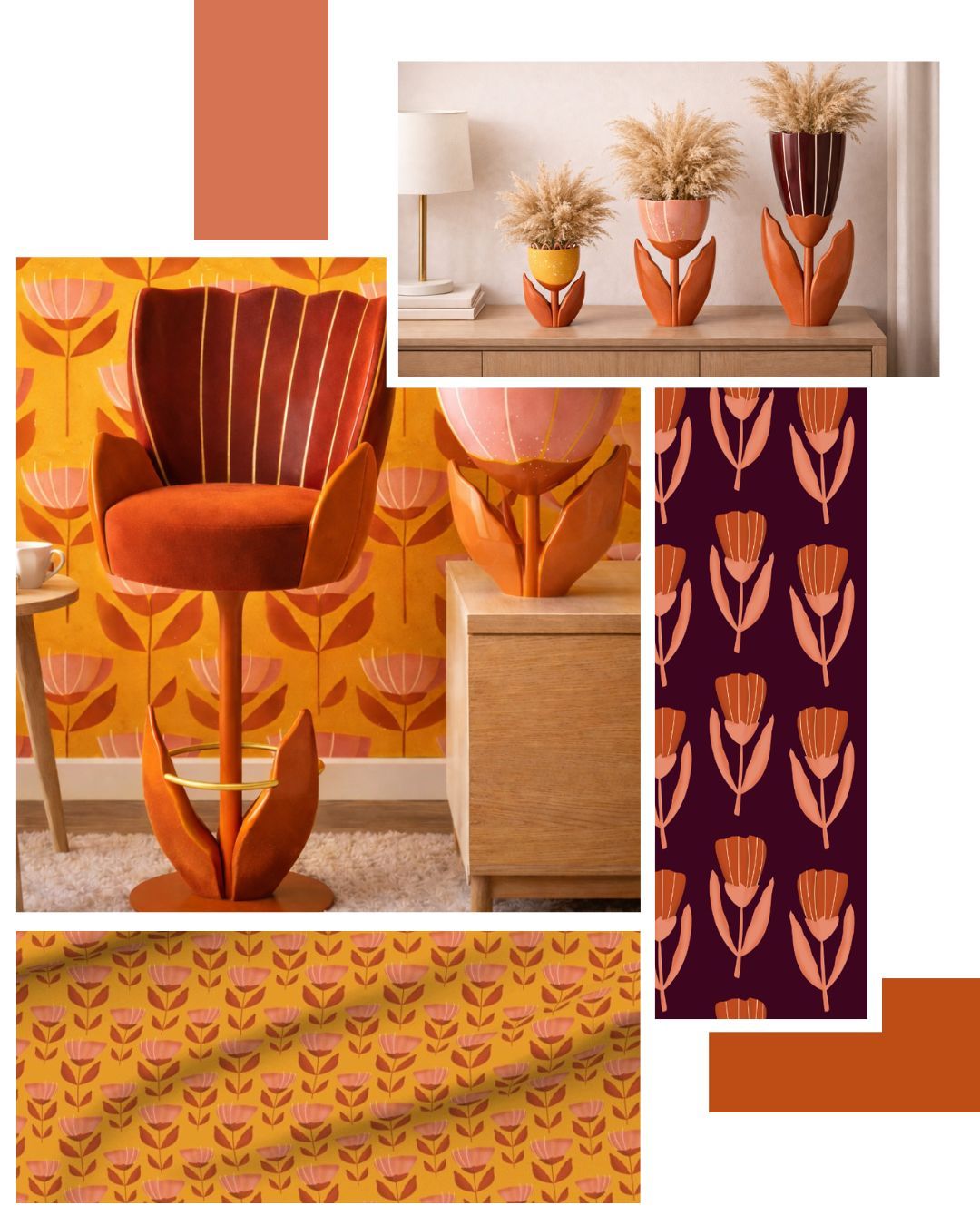
- wallpaper and interior decor
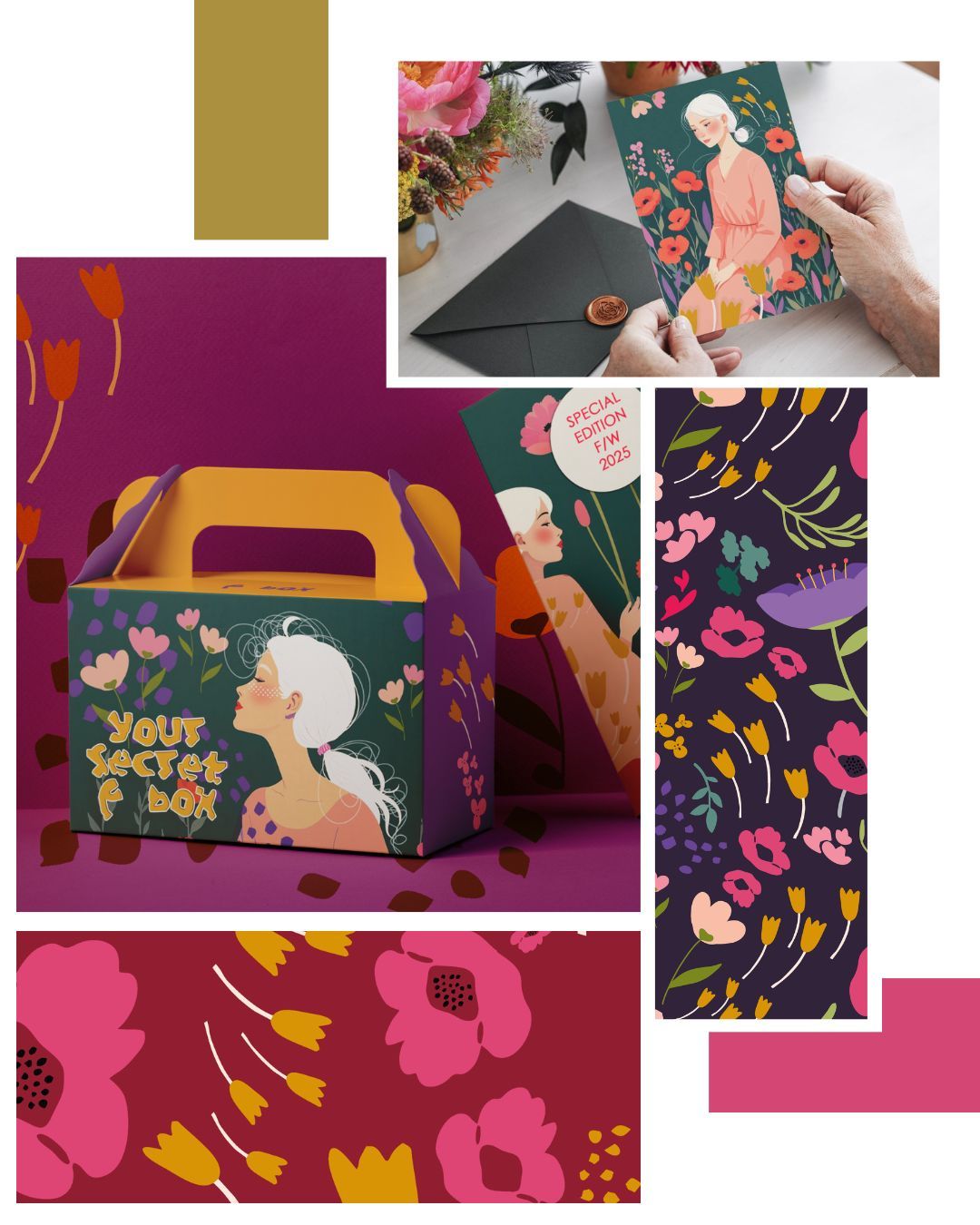
- stationery and packaging
- home products like pillows, blankets, and ceramics
- digital products and printable designs
A pattern can be:
- seamless (repeating infinitely)
- placed (non-repeating composition)
- abstract
- illustrative
- geometric
- painterly
What makes pattern design unique is that it’s not just about creating a single image — it’s about creating a visual rhythm that works beautifully across space, products, and materials.
Patterns are not only decorative.
They influence mood, atmosphere, identity, and the emotional feeling of a space or object.
Where Are Surface Patterns Used?
Surface patterns are a huge part of modern visual culture and product design.
You can find them almost everywhere:
- clothing and textiles
- wallpaper and interiors
- gift wrap and packaging
- notebooks and stationery
- home decor
- accessories
- fabric collections
- digital backgrounds
- print-on-demand products
Many independent artists and designers now build businesses entirely around pattern design.
Platforms like Spoonflower and Redbubble allow creatives to upload their artwork and sell products globally without needing a large company behind them.
This means that today, it’s more possible than ever to turn creativity into real products and income.
You don’t need perfection to begin.
You need curiosity, consistency, and your own visual voice.
Why I Believe Patterns Hold Emotion
For me, patterns are deeply connected to emotion and memory.
Certain colors can completely change the atmosphere of a room.
Certain shapes can feel calming, playful, nostalgic, bold, or comforting.
The environment around us affects our mood more than we often realize.
That’s why I believe pattern design is about much more than decoration.
It’s about creating visual experiences that become part of everyday life.
A simple pattern on fabric, wallpaper, or a notebook can quietly inspire someone every single day.
And that’s something incredibly powerful.
My Approach: From Painting to Pattern
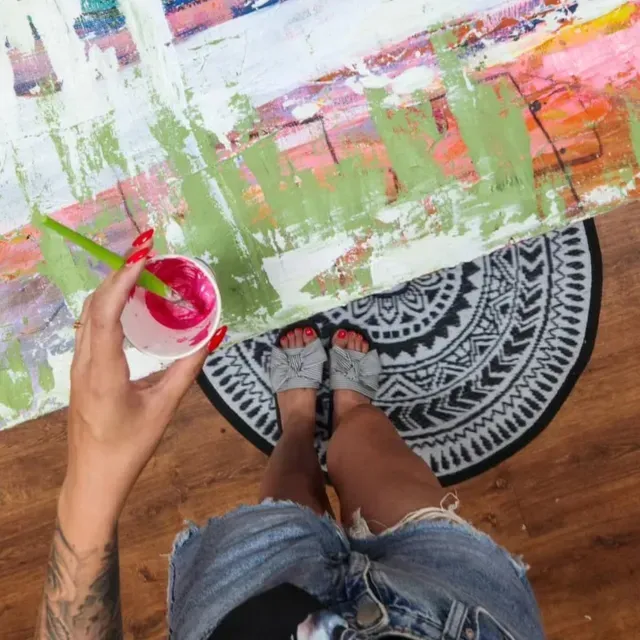
For me, patterns rarely start digitally.
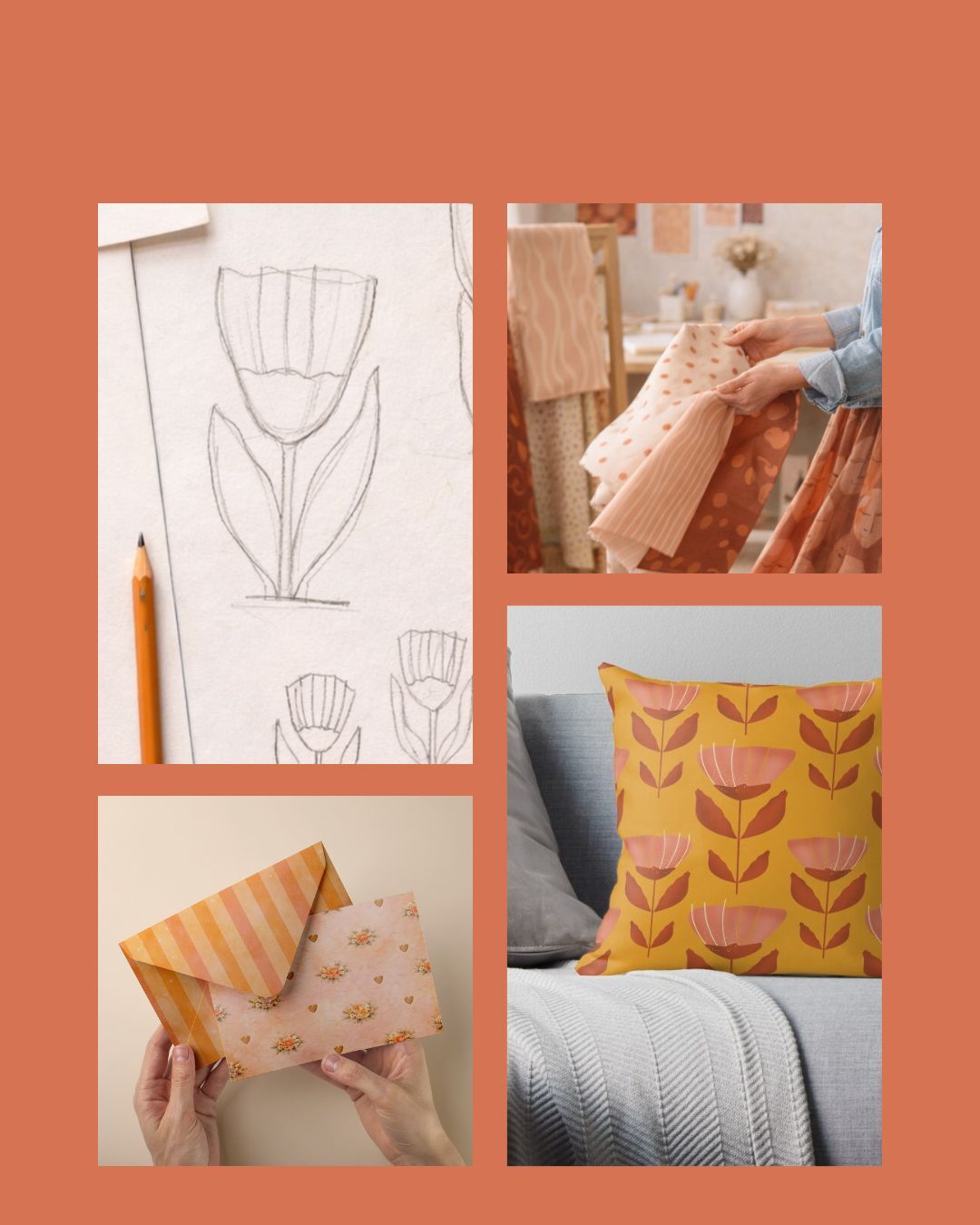
They usually begin with emotion, texture, movement, and color — often directly on canvas or paper.
I create:
- paintings
- sketches
- brushstroke textures
- abstract compositions
- hand-drawn details
Then I transform those elements into digital patterns.
This process gives my work depth, organic movement, and a story behind the design.
It also allows me to build entire creative worlds from one original idea.
A painting can later become:
- a pattern
- wallpaper
- textile design
- home decor
- stationery
- digital products
- or part of a larger collection
I love the idea that art doesn’t have to remain only on a wall.
It can become part of real life.
What You Need to Start
One of the biggest misconceptions about surface pattern design is that you need expensive tools or years of experience before beginning.
You don’t.
Start simple.
You can begin with:
- paper and pencil
- watercolor or paint
- an iPad with Procreate
- or software like Adobe Illustrator
Adobe Illustrator is one of the most popular tools for creating seamless repeating patterns, especially for professional production and licensing.
But even hand-drawn sketches scanned into your computer can become beautiful patterns.
At the beginning, your ideas matter more than perfect technical execution.
Step-by-Step Beginner Path
If you’re just starting, here’s a gentle way to begin:
1. Create Simple Motifs
Start with easy elements:
- flowers
- leaves
- abstract shapes
- dots
- textures
- hand-drawn lines
Don’t overcomplicate it.
Simple motifs often create the strongest patterns.
2. Experiment With Repetition
Try repeating your elements manually or digitally.
Move them around.
Rotate them.
Change spacing and rhythm.
This is where pattern design starts becoming alive.
3. Explore Color Palettes
Color changes everything.
Try:
- soft vintage palettes
- bold modern contrasts
- earthy tones
- playful combinations
Over time, your own color language will begin to appear naturally.
4. Learn How Seamless Patterns Work
Understanding seamless repeats is one of the most important technical skills in pattern design.
A seamless pattern repeats infinitely without visible edges or breaks.
At first, it may feel confusing — but with practice it becomes intuitive.
And honestly, today’s tools make the process much easier than it used to be years ago.
5. Apply Your Designs to Mockups
This step changes everything psychologically.
When you place your pattern onto:
- fabric
- wallpaper
- packaging
- pillows
- notebooks
…it suddenly feels real.
You stop seeing it as “just practice.”
You begin seeing possibilities.
How to Turn Patterns Into Income
Once you create several strong designs, there are many ways to grow creatively and financially from them.
You can:
- upload to print-on-demand platforms
- sell digital downloads
- create clipart and digital paper collections
- license your work to brands
- create textile or wallpaper collections
- sell art prints and products
- open your own online shop
The most important thing is not trying to copy trends endlessly.
It’s building a recognizable style and creating consistently.
People connect with authenticity.
Final Thoughts
Surface pattern design is not just a technical skill.
It’s a creative language.
A way to transform small ideas into something that lives in people’s homes, clothing, objects, and everyday moments.
And the beautiful thing is — there is no single correct path.
Some designers begin digitally.
Others begin with painting.
Some work minimally.
Others create expressive, layered worlds full of texture and color.
What matters most is beginning.
Exploring.
Creating.
And allowing your visual voice to evolve over time.
Because creativity rarely appears all at once.
It grows through practice, curiosity, and courage.
And maybe your patterns are already waiting to exist — you simply haven’t started creating them yet.
Ready to Begin?
If you’d like to start your own creative journey, explore my free workbook and beginner-friendly resources designed to help artists and creatives reconnect with inspiration, pattern design, and creative confidence.
Explore the workbooks →