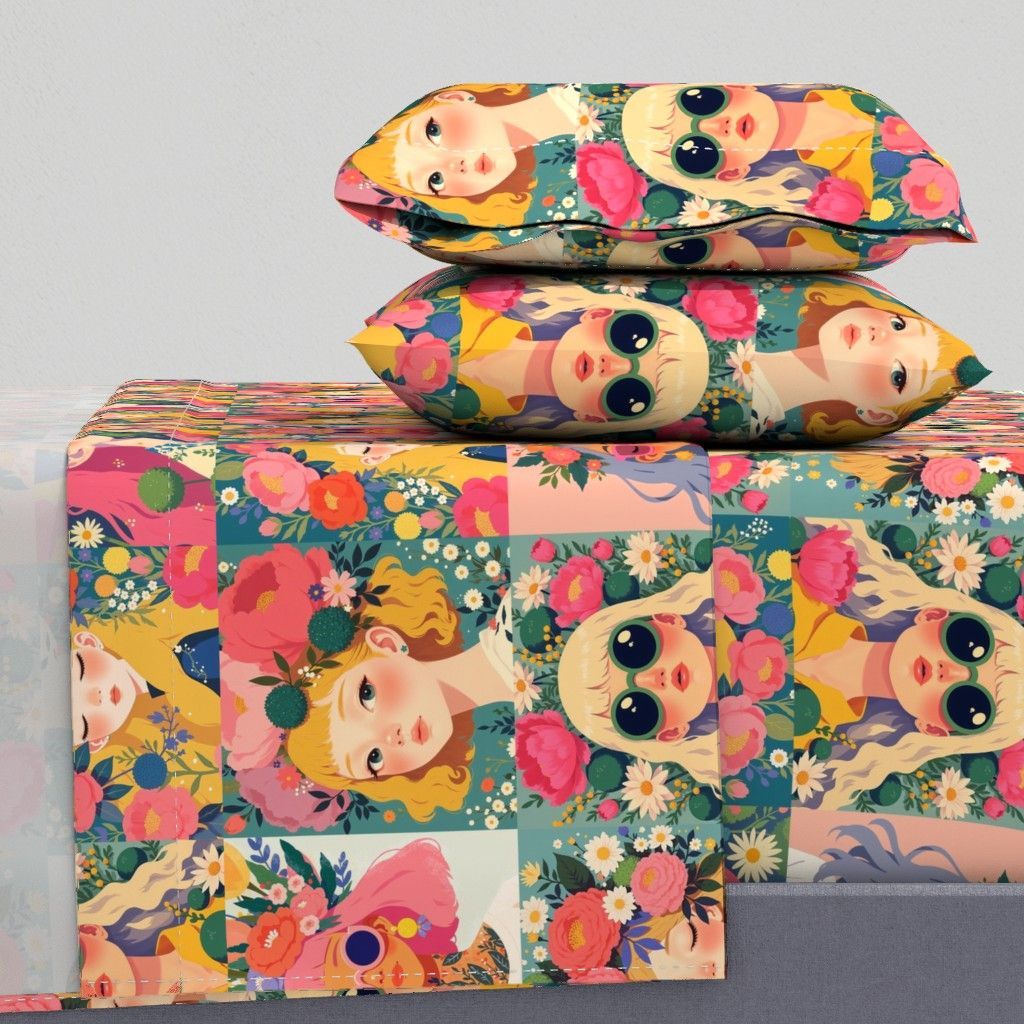
My Favorite Art Materials for Expressive Painting & Creative Exploration
As an artist, I’ve always believed that materials carry energy.
The texture of a brushstroke, the softness of pastel, the movement of diluted acrylic paint, the resistance of paper, the feeling of charcoal on canvas — all of these tiny details become part of the final artwork.
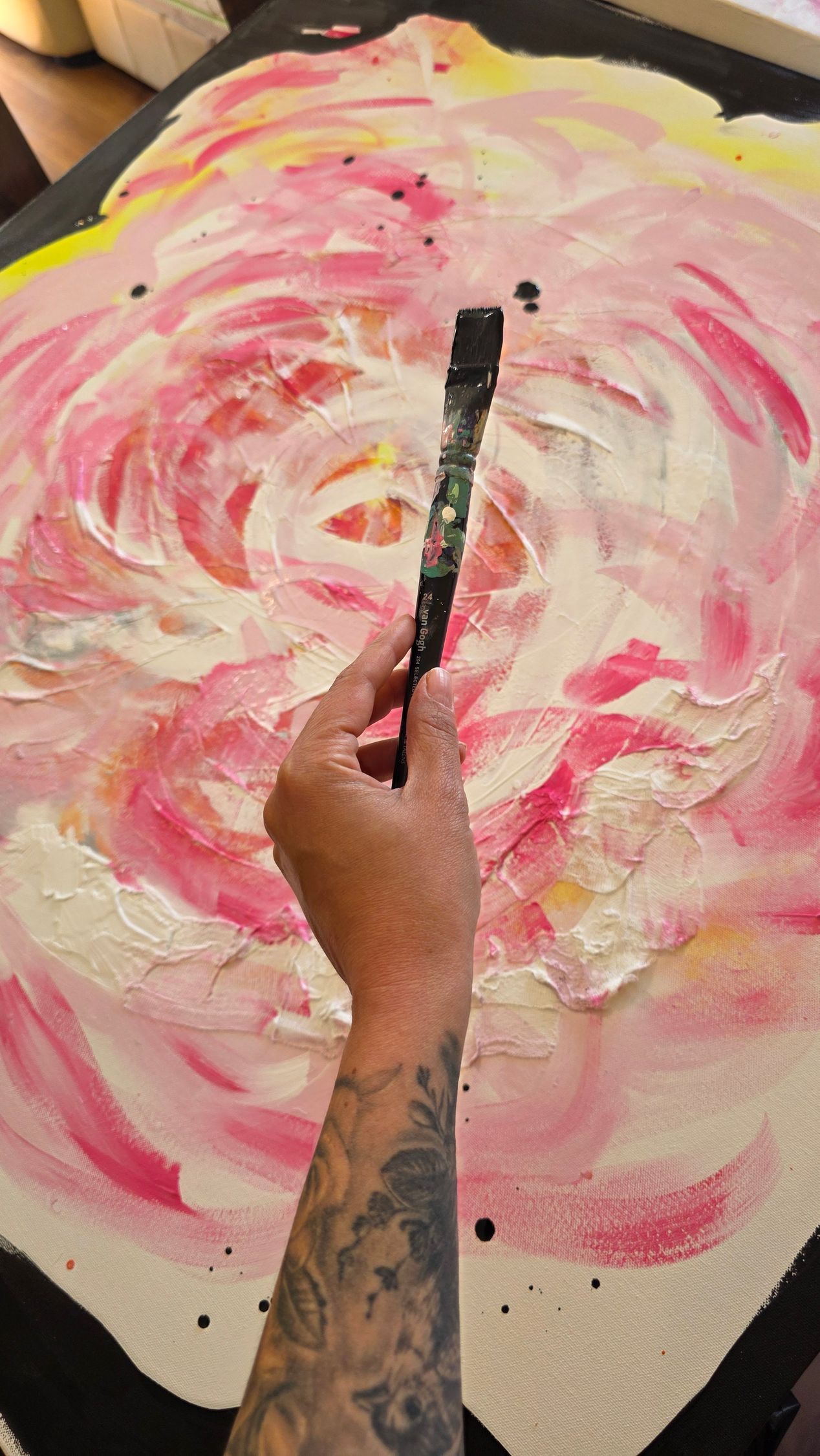
Over the years, I’ve experimented with many different tools and materials, from affordable beginner supplies to professional artist-grade products.
And honestly?
I don’t believe creativity depends on owning the “perfect” materials.
Some of my favorite ideas were born with very simple tools.
But I do believe that certain materials can make the creative process feel more intuitive, expressive, emotional, and enjoyable.
So in this article, I wanted to share some of the art materials and creative tools I genuinely enjoy using in my paintings, sketchbooks, textures, and artistic explorations.
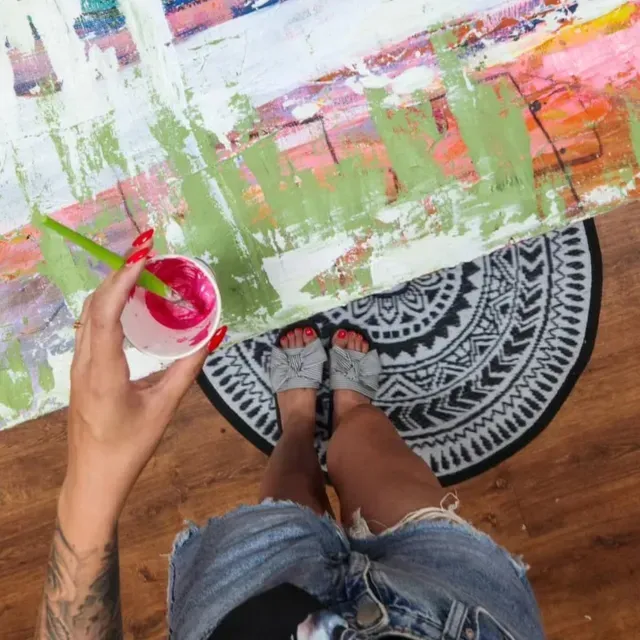
Why Materials Matter
Good materials won’t create your style for you.
But they can help you:
- work more freely
- experiment with confidence
- create richer textures
- enjoy the process more
- and express emotion more naturally
For me, painting has always been deeply connected to feeling.
Sometimes I choose materials based entirely on the atmosphere I want to create.
Soft and dreamy.
Bold and energetic.
Raw and textured.
Delicate and layered.
Different materials invite different emotions into the artwork.
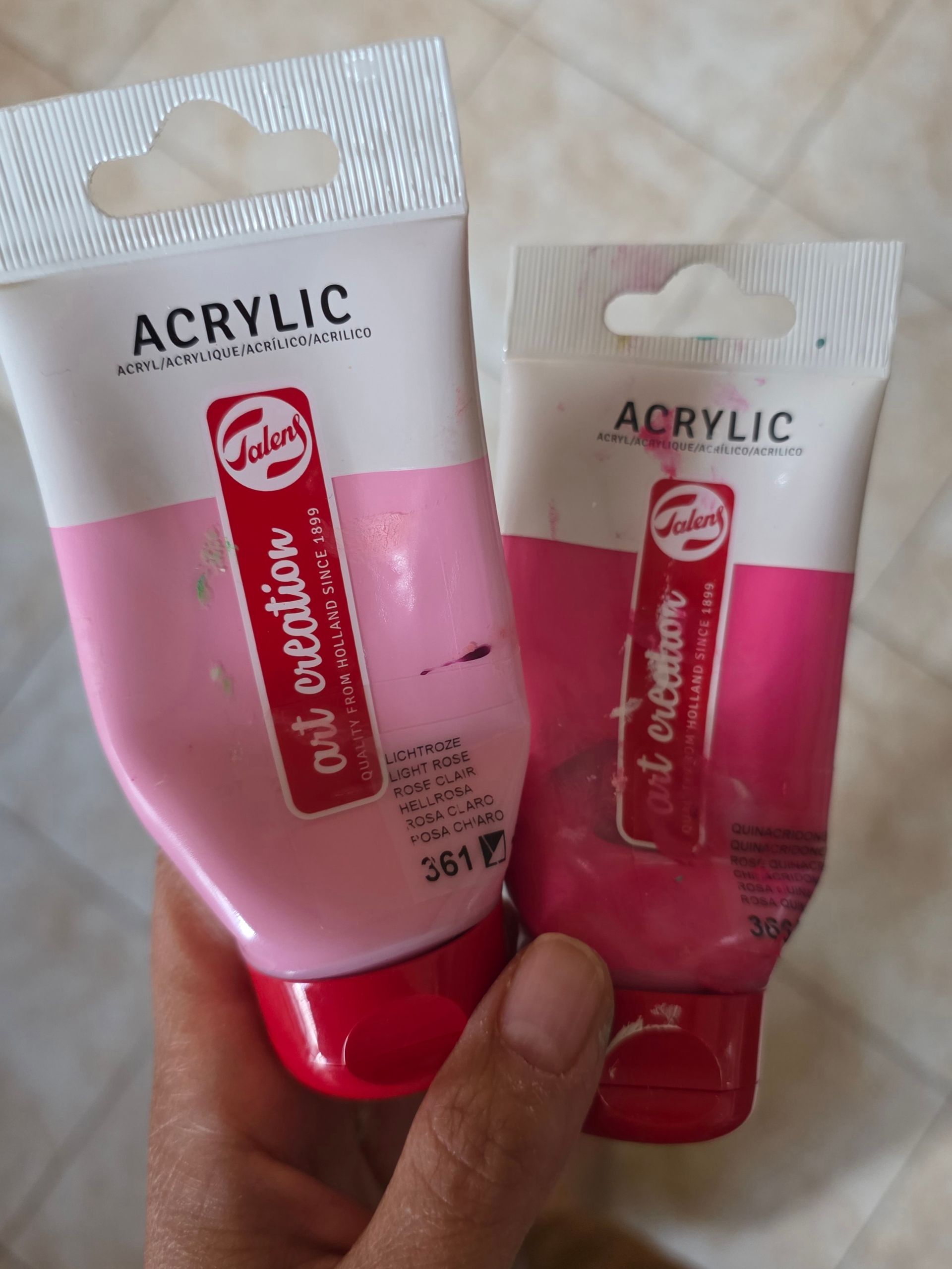
My Favorite Acrylic Paints
Acrylic paint is one of the most versatile mediums I work with and probably the material I use most often when painting on canvas.
I love it because it allows both spontaneity and layering.
Some days I use it transparently, almost like watercolor.
Other times I build thick expressive textures and visible brushstrokes.
When I paint on canvas, I usually begin with acrylic paints and different base layers that help me create movement, atmosphere, and depth freely.
I especially enjoy working with:
- soft pinks
- warm reds
- earthy neutrals
- mustard tones
- muted greens
- vintage-inspired palettes
I also love mixing colors directly on the canvas because the transitions feel more organic, emotional, and alive.
Mixed Media & Layering
One of my favorite ways to create art is by combining different materials together.
After the acrylic base is finished, I often add extra expressive details and depth using:
- oil paints
- soft pastels
- charcoal
- pencils
- fine liners
- and sometimes even ordinary pens
I enjoy mixing traditional and unexpected materials because they make the artwork feel layered, emotional, and imperfect in the best possible way.
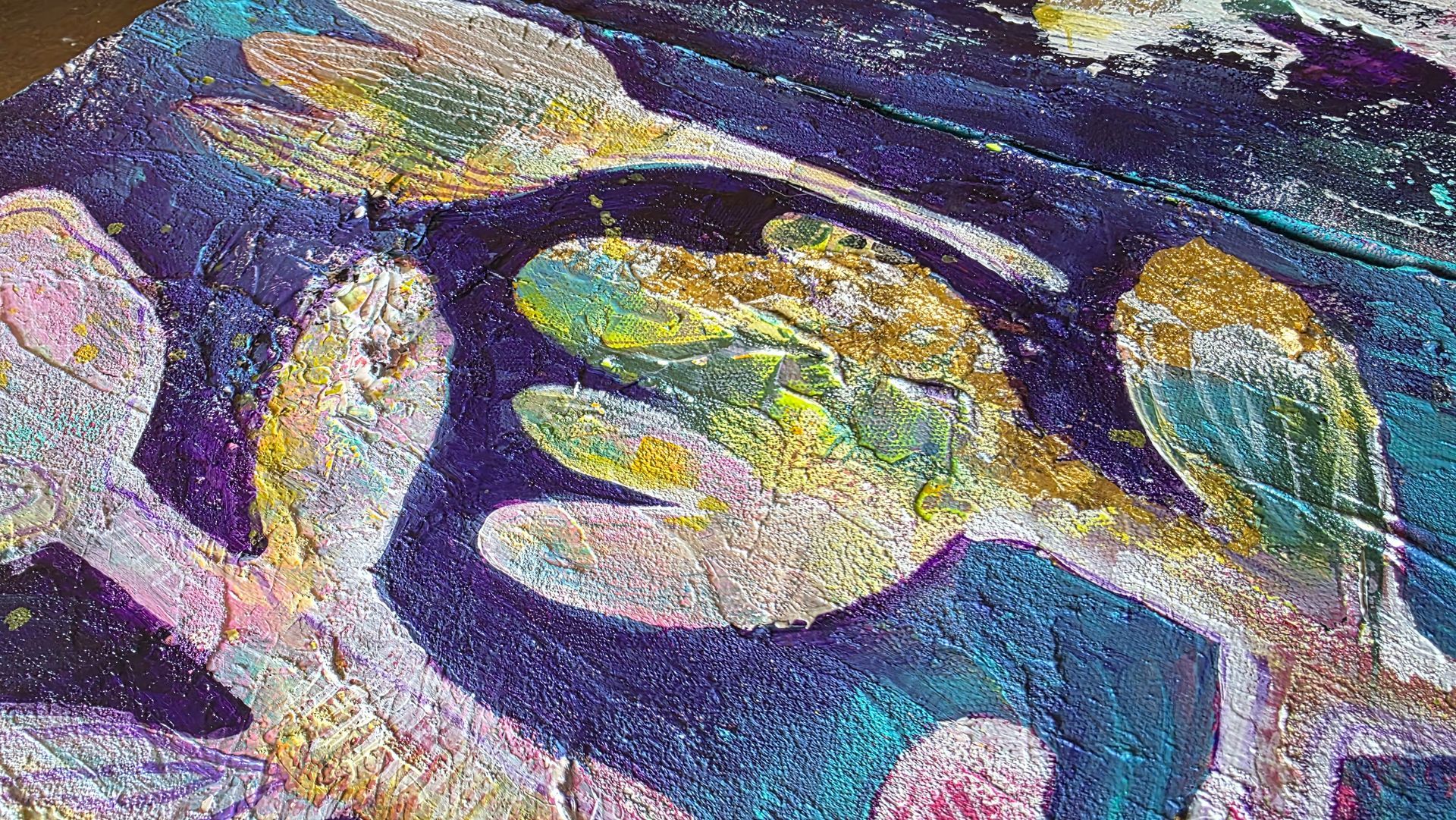
Texture is also an incredibly important part of my artistic process.
I love creating tactile surfaces using:
- texture paste
- fabrics
- threads
- paper layers
- and even gauze or bandage materials
I’m fascinated by surfaces that hold physical depth and quiet visual stories.
Sometimes the texture itself becomes part of the emotion of the painting.
Brushes & Unexpected Tools
Brushes completely change the feeling of a painting.
And interestingly, I rarely use only one type.
I combine:
- large expressive brushes
- worn textured brushes
- thin detail brushes
- dry brushes
- and unconventional tools
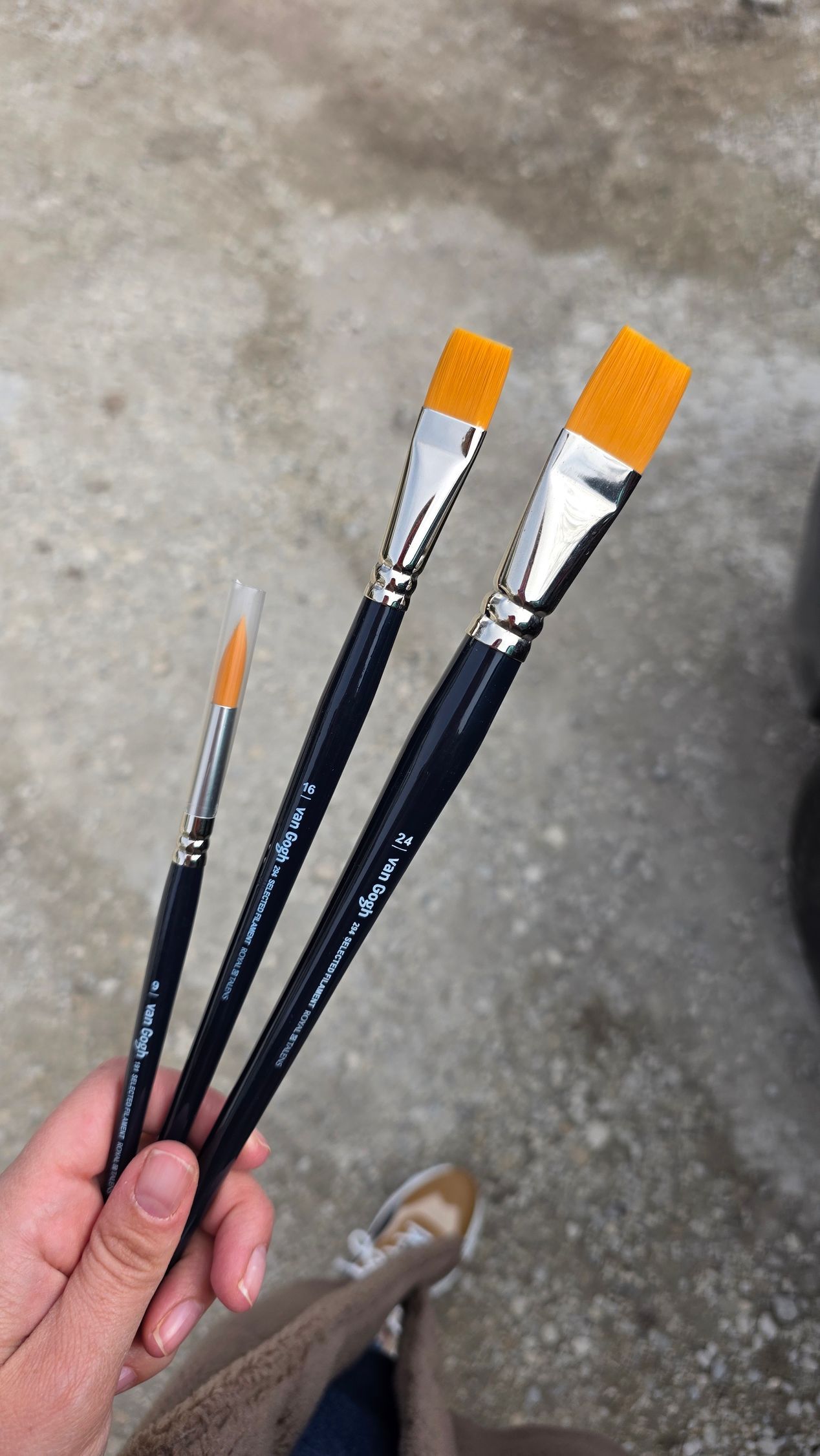
My favorite brushes are flat Van Gogh brushes, especially for expressive strokes and layered compositions.
I love the movement and freedom they create on canvas.
And very often, instead of using a traditional palette knife, I experiment with different everyday objects depending on the texture or depth I want to achieve.
Sometimes the most unexpected tools create the most beautiful effects.
That freedom to experiment is one of the things I love most about creating art.
Sketchbooks & Creative Freedom
Sketchbooks are one of the most important parts of my creative process.
Not because every page becomes beautiful — but because they allow ideas to exist without pressure.
This is where:
- color palettes appear
- abstract shapes begin
- patterns evolve
- compositions grow
- and visual stories quietly develop
I believe every artist needs a space that feels experimental, unfinished, and free.
That’s often where real style begins.
Digital Tools I Use Alongside Traditional Art
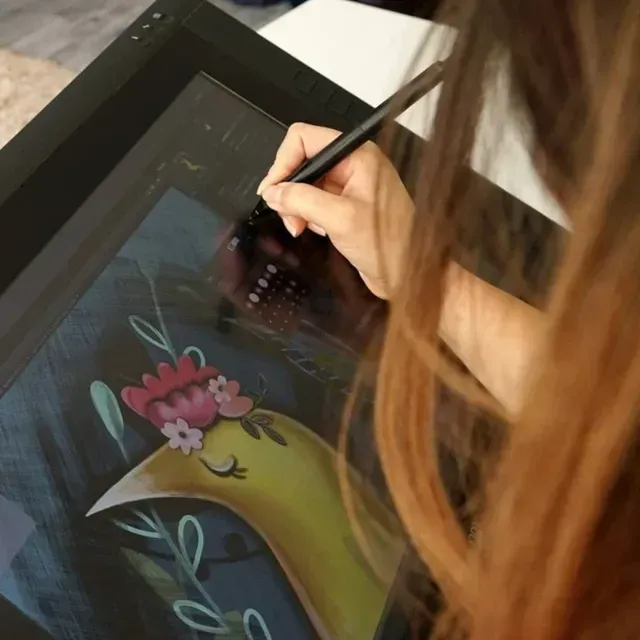
Although I deeply love traditional painting, digital tools have become an important part of my process — especially for surface pattern design.
After creating paintings, textures, or sketches by hand, I often bring them into:
- Adobe Photoshop
- Adobe Illustrator
This allows me to transform original artwork into:
- seamless patterns
- wallpaper collections
- textile designs
- digital papers
- printable art
- and creative products
I love combining traditional and digital techniques because it keeps the work feeling both artistic and versatile at the same time.
A Gentle Reminder for Beginners
If you’re just starting your creative journey, please don’t feel pressured to buy everything immediately.
You do not need the most expensive materials to create meaningful work.
Start with:
- a few colors
- one sketchbook
- simple brushes
- curiosity
- and the willingness to experiment
Your style will evolve naturally over time.
And honestly, learning how to create with limited tools can sometimes make you even more creative.
Over the years, I’ve realized that art materials are much more than simple tools.
They become part of your creative language.
Some artists love precision.
Others love texture and unpredictability.
Some work softly and delicately.
Others paint with intensity and movement.
There is no single correct way to create.
The most important thing is finding materials that make you want to return to the process again and again.
Because creativity grows through:
- practice
- experimentation
- emotion
- curiosity
- and allowing yourself the freedom to explore.
And sometimes, the most beautiful artistic moments happen completely unexpectedly — through imperfect marks, layered textures, and the courage to simply play.
Explore More Creative Resources
If you’d like to explore more about painting, surface pattern design, creativity, artistic process, and creative business, you can also browse my guides, articles, and beginner-friendly workbooks designed to help artists reconnect with inspiration and creative confidence.